
Stucco Removal & Remediation in Los Angeles, CA
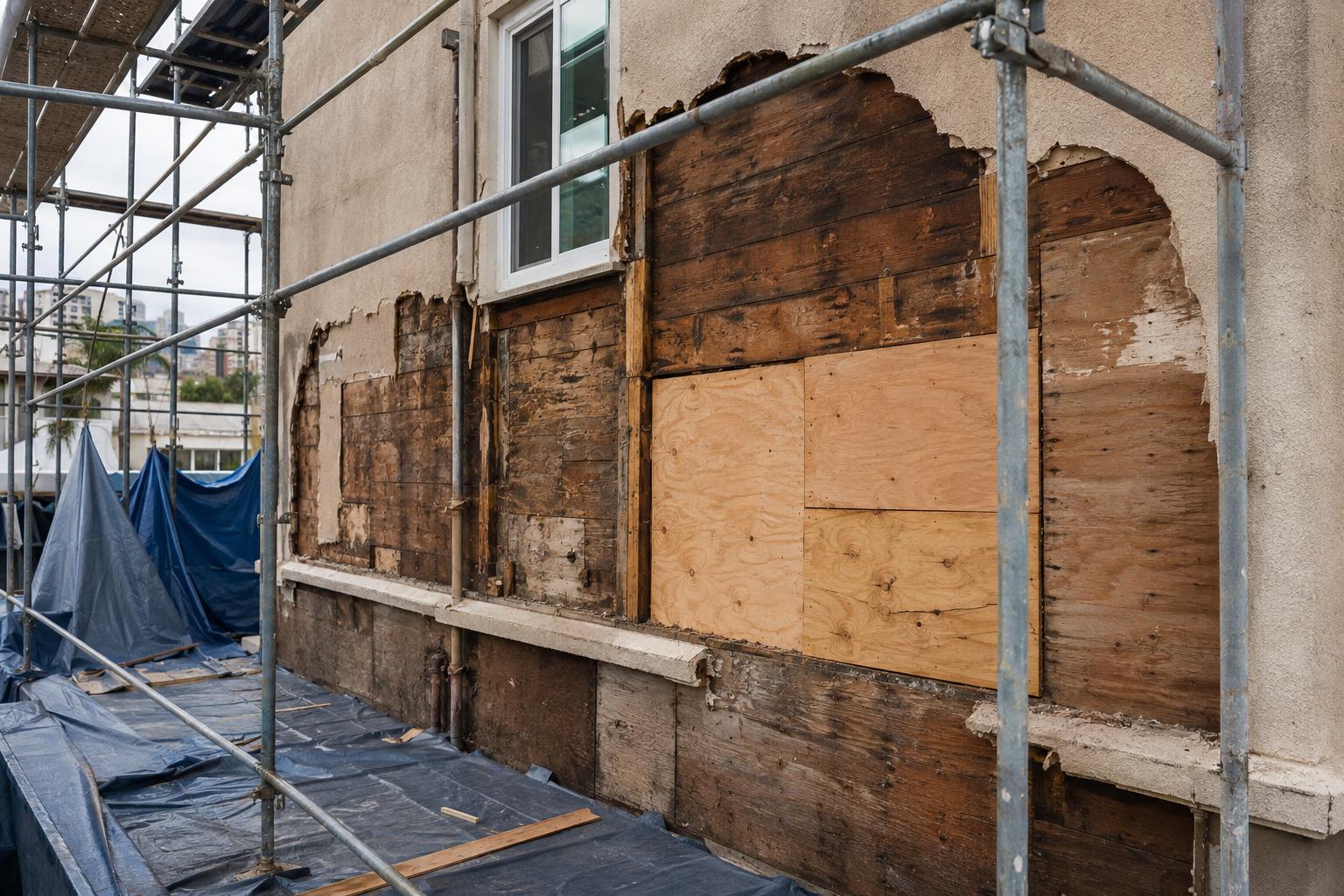
Stucco removal and remediation is the full destructive scope: taking cement plaster, lath, and barrier off an elevation down to the framing, correcting the damage found behind it, and rebuilding the wall as a drainage assembly rather than the one that failed. This is the work that follows a building where water has been getting in for years. Owners, associations, and general contractors in Los Angeles call us when patching has stopped holding, when a moisture survey has come back bad across whole elevations, or when a structural report has found decayed framing behind an intact looking wall.
Request a Remediation Scope
Removal and Rebuild
Los Angeles, CA
When the Assembly Has to Come Off and Go Back Correctly
Cladding failure is a system condition, not a damaged spot. It shows up as widespread staining, plaster that sounds hollow across large fields, rust bleeding through the finish where lath has corroded, efflorescence at the base of walls, soft framing found at any opening a plumber or electrician happens to cut, and interior finishes that keep going bad on the same wall. By the time these signs cluster on one elevation, the drainage plane has usually been compromised for years and the material behind the plaster has been wet through many seasons. Removing and rebuilding is often less expensive than the fourth round of repairs.
Los Angeles has a very large inventory of buildings clad before current drainage requirements existed, including apartment stock from the fifties through the eighties across the San Fernando Valley, Koreatown, and the Westside. Those walls were commonly built with a single barrier layer, no drainage gap, and few of the flashings now required at openings and roof intersections. A remediation project in the city is therefore an upgrade, not a restoration, and it is permitted and inspected as new work. The Los Angeles Department of Building and Safety will require inspection of the rebuilt assembly at lath, and structural repairs discovered during demolition typically need their own review.
Demolition itself is regulated before a single tool touches the wall. South Coast AQMD Rule 1403 requires that a facility be surveyed for asbestos by a qualified consultant prior to demolition or renovation, with a narrow exception for renovation of single unit dwellings involving less than one hundred square feet of intact material, and notification to the district ahead of removal work above that threshold. Buildings from before 1978 also raise lead in paint and coatings, which changes containment, worker protection, and debris handling. We sequence testing first so the abatement path and the schedule are known before mobilization.
What a Remediation Project Involves
Controlled Removal and Debris Handling
Cement plaster is heavy and it comes off dirty. We stage elevations with scaffold or lifts, protect glazing, landscaping, and adjacent surfaces, and remove plaster, lath, and both barrier layers in a controlled sequence rather than by opening the whole building at once. Debris is contained, loaded, and hauled continuously so the site stays workable and occupied units keep their access. Where abatement is required, that work is completed and cleared under its own protocol before our demolition proceeds on that elevation.
Sheathing and Framing Replacement
Once the wall is open, every square foot of substrate is assessed. Delaminated or crumbling sheathing is cut out to sound material at framing lines and replaced. Studs, plates, headers, rim joists, and deck ledgers with decay are evaluated and repaired or sistered, and anything affecting load path is referred to the engineer of record before it is covered. Moisture readings drive the extent of removal, because framing that has been sitting wet is usually damaged past the visible stain line.
Rebuilding as a Drainage Assembly
The wall does not go back the way it came off. New sheathing, flashing at every opening and intersection, a barrier system that meets current requirements with a drainage path behind the plaster, weep screed set to the correct clearance, accessories, lath, and three coat plaster are installed as one designed assembly. This is the point of the project. Removing failed cladding and reinstalling the same details produces the same failure, just with a fresh finish and a new decade of quiet damage.

Testing Before Demolition
We investigate before we quote a removal. That means a systematic evaluation of where water has entered and how far it has traveled, following the approach in ASTM E2128 for evaluating water leakage of building walls, along with moisture readings and selective probe openings. Untreated framing that stays above roughly twenty percent moisture content supports decay fungi, and readings near or above the high twenties usually come with damage already present.
Working on Occupied Buildings
Most of our remediation work happens on buildings nobody moves out of. That means elevation by elevation phasing, weather protection on any wall left open overnight, written notice to residents before work reaches their unit, protected paths of travel, and no opening more square footage than the crew can dry in and close before a storm window. Occupied work is slower by design, and pretending otherwise is how buildings get damaged during their own repair.
Remediation Scope Parameters
Remediation projects are defined by what testing finds. These are the thresholds and regulatory triggers that shape the scope.
- Asbestos Survey
- South Coast AQMD Rule 1403 requires an asbestos survey by a qualified consultant before demolition or renovation, with a narrow exception for single unit dwellings under one hundred square feet of intact material.
- District Notification
- Removal of more than one hundred square feet of asbestos containing material requires notification to South Coast AQMD in advance of the work, filed through the district's online system.
- Decay Threshold
- Framing consistently above about twenty percent moisture content is in the range where decay fungi establish. Readings in the high twenties and above are commonly accompanied by active damage.
- Investigation Method
- Water leakage evaluation follows the framework in ASTM E2128, working from design review and exposure conditions through inspection and testing rather than from a single visible symptom.
- Removal Extent
- Substrate is cut back to sound material and terminated at framing lines so new sheathing lands on bearing. Extent follows probe results, not the visible stain line.
- Rebuild Assembly
- The replacement wall is built to current requirements as a drained assembly, with flashing at every transition, barrier layers, weep screed, accessories, and lath installed before plaster.
- Inspection Points
- Permitted remediation is inspected at framing repairs where structural work occurs and again at lath before scratch coat, so the corrected assembly is signed off before it is covered.
- Phasing Unit
- Scope is broken into elevations or drops that can be opened, corrected, and dried in within a controlled window, which governs crew size and the overall project duration.
How a Stucco Remediation Project Runs
A remediation is a construction project with an investigation attached to the front of it. The order below is what keeps the scope honest.
Investigation and Moisture Survey
Before any pricing we survey the building: exposure conditions, drainage, symptom mapping inside and out, moisture readings across each elevation, and selective probe openings at the worst indications. The goal is to establish how far the damage extends and what caused it, because a scope drawn from visible staining alone will always be too small once the wall is open.
Hazardous Material Testing
Sampling for asbestos and lead is completed and the results are in hand before demolition is scheduled. If abatement is required, it is contracted and cleared under its own protocol, and district notification timelines are built into the schedule. This step decides mobilization dates more often than anything else on a pre 1980 Los Angeles building.
Permits, Phasing and Resident Notice
We prepare the permit package, agree the elevation sequence with the owner or association, and set the working calendar around occupancy, parking, and access. Residents get written notice before work reaches their unit. Weather contingency is defined up front, including how much wall may be open at one time and what temporary protection goes on it.
Removal, Assessment and Structural Repair
Plaster, lath, and barrier come off one drop at a time and the exposed substrate is documented before anything is covered. Sheathing and framing repairs are executed to the extent the readings and the engineer require, with the owner walked through the opened wall so change in scope is seen rather than described in an invoice.
Reclad, Plaster and Closeout
The corrected assembly goes back with flashing, barrier, screed, accessories, and lath, gets its inspection, then receives scratch, brown, and finish coats with the required cure intervals between them. We finish with the agreed texture and coating, then close out with documentation of what was found and what was replaced on every elevation.
Services That Pair With Stucco Removal & Remediation
Remediation pulls in demolition, waterproofing, and lath work as part of one scope. These are the services it most often includes or follows.
Stucco Waterproofing
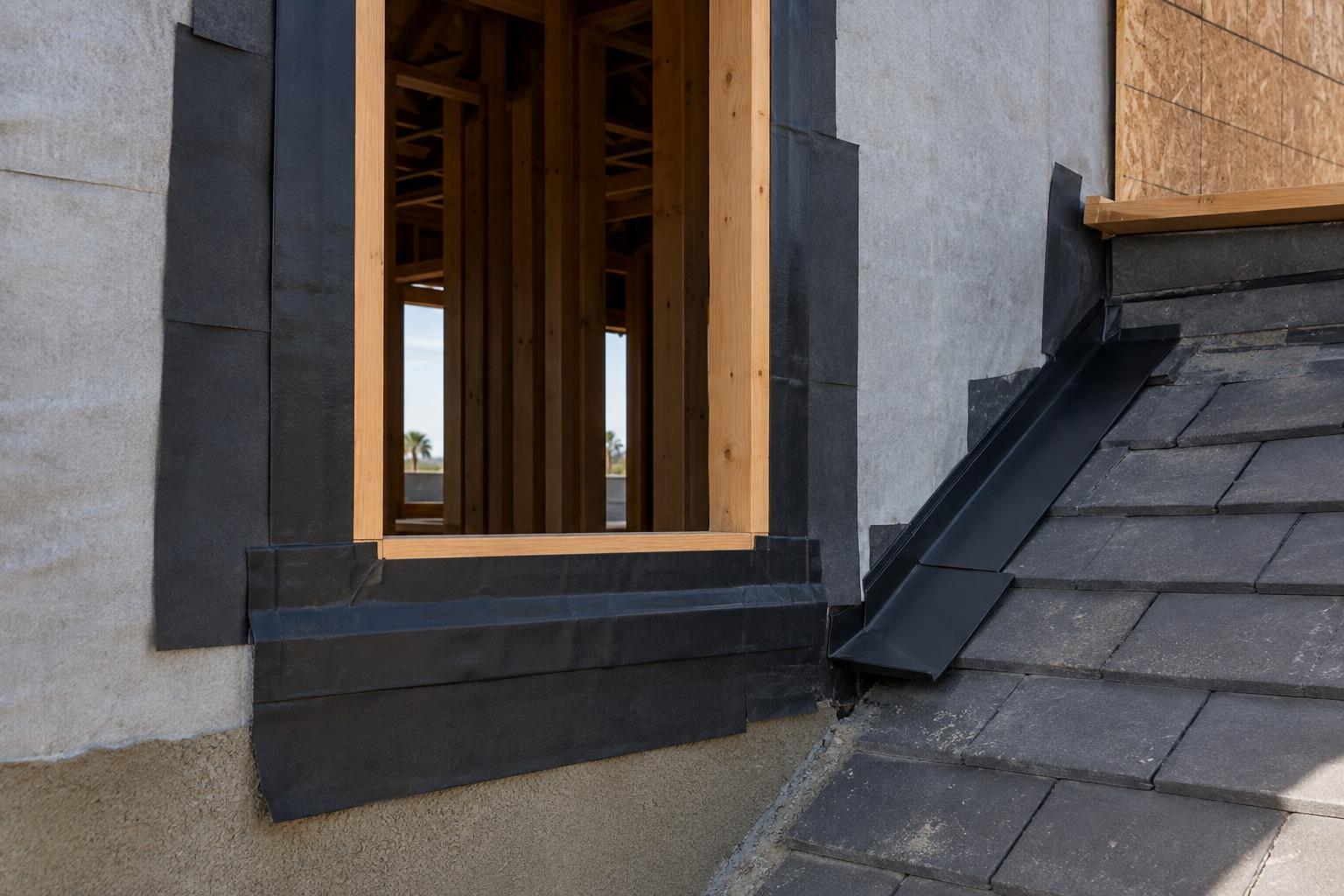
Weather-resistive barrier, flashing, and elastomeric coating work that stops water intrusion through stucco walls, parapets, and window and deck transitions.
Stucco Lath Installation
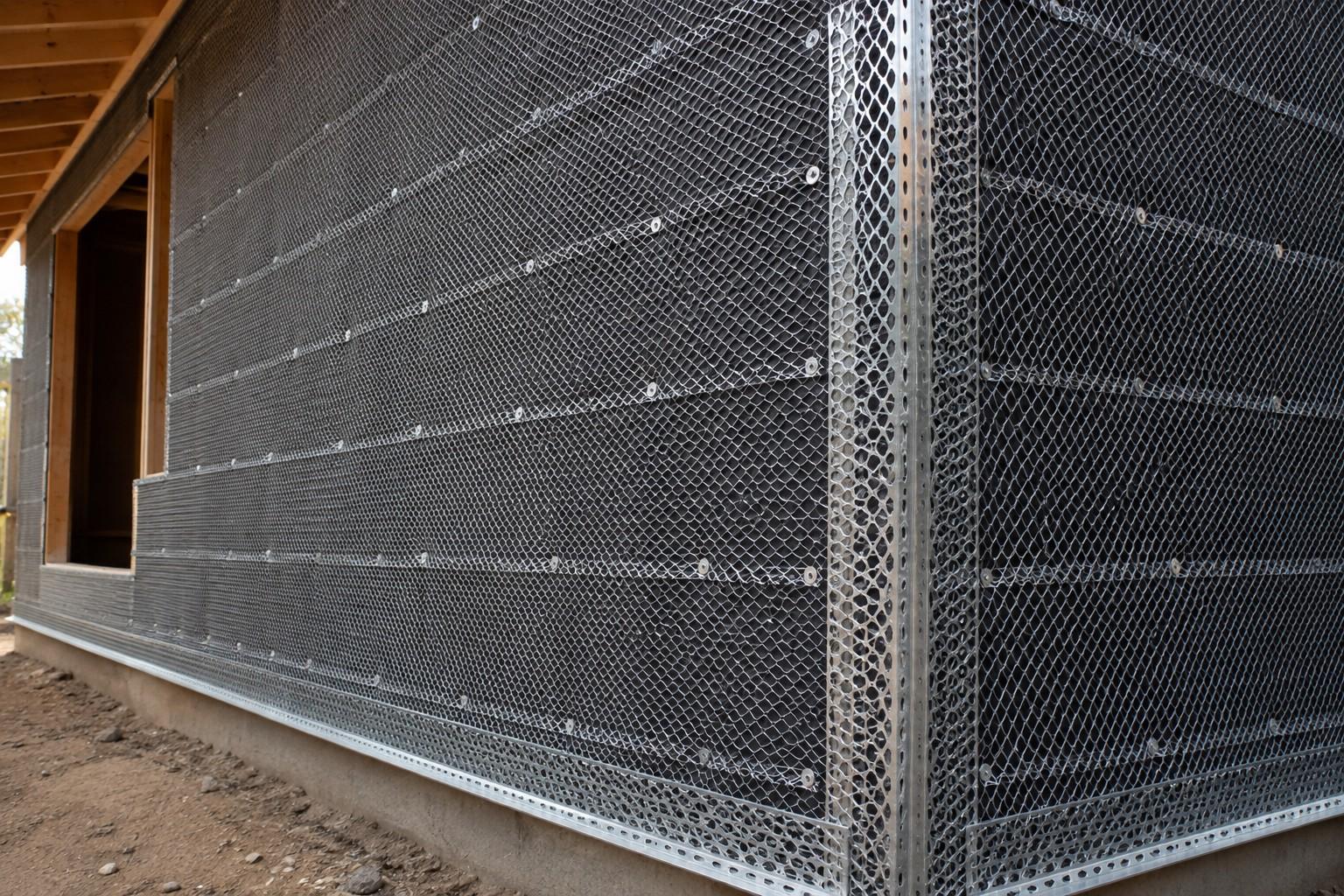
Metal lath and stucco mesh installed over two layers of weather-resistive barrier with correct furring, laps, and fastening so the plaster has a code-compliant key.
Drywall Demolition
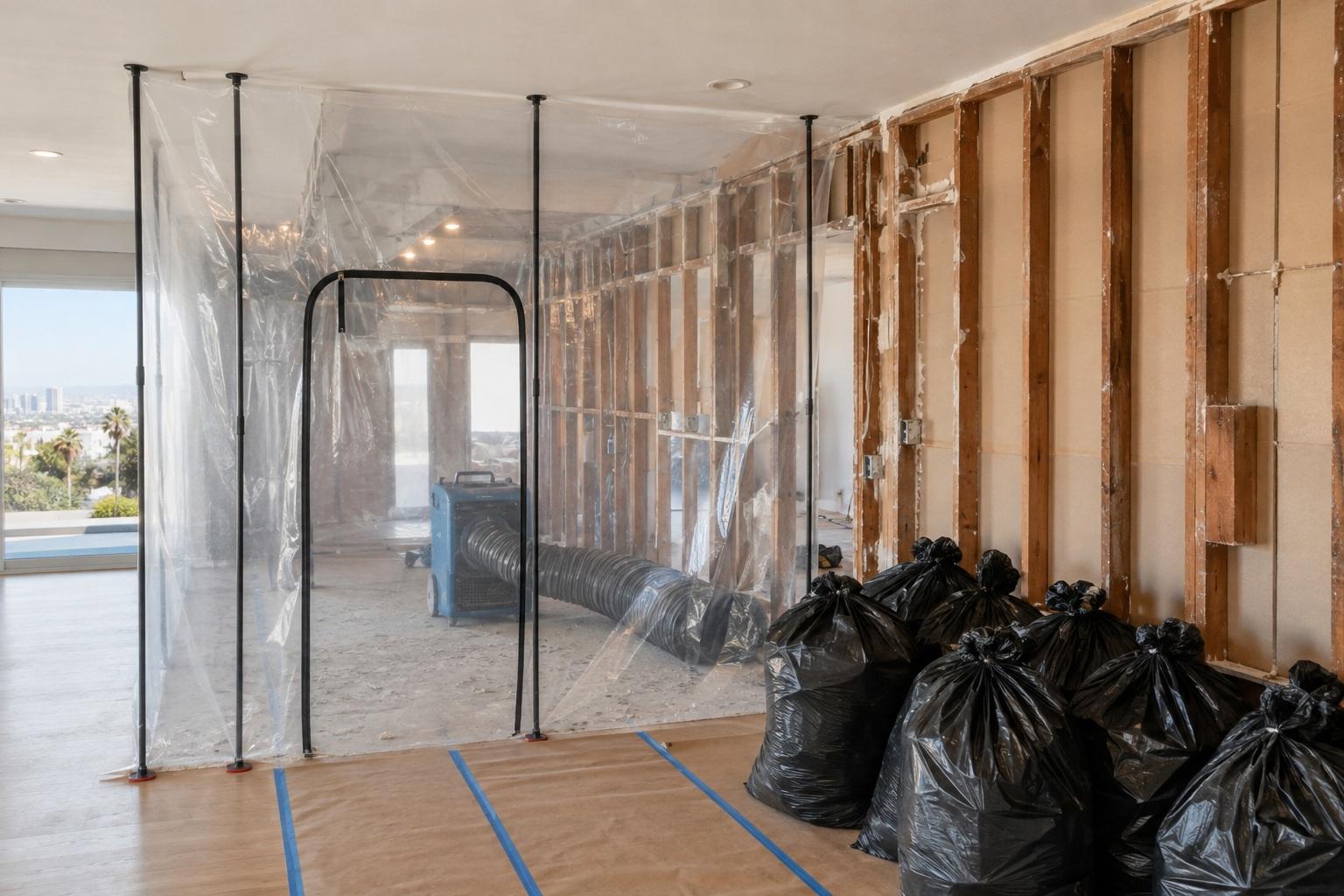
Controlled drywall removal and demolition with dust containment, debris hauling, and coordination for asbestos or lead testing on pre-1980 Los Angeles properties.
Stucco Patching
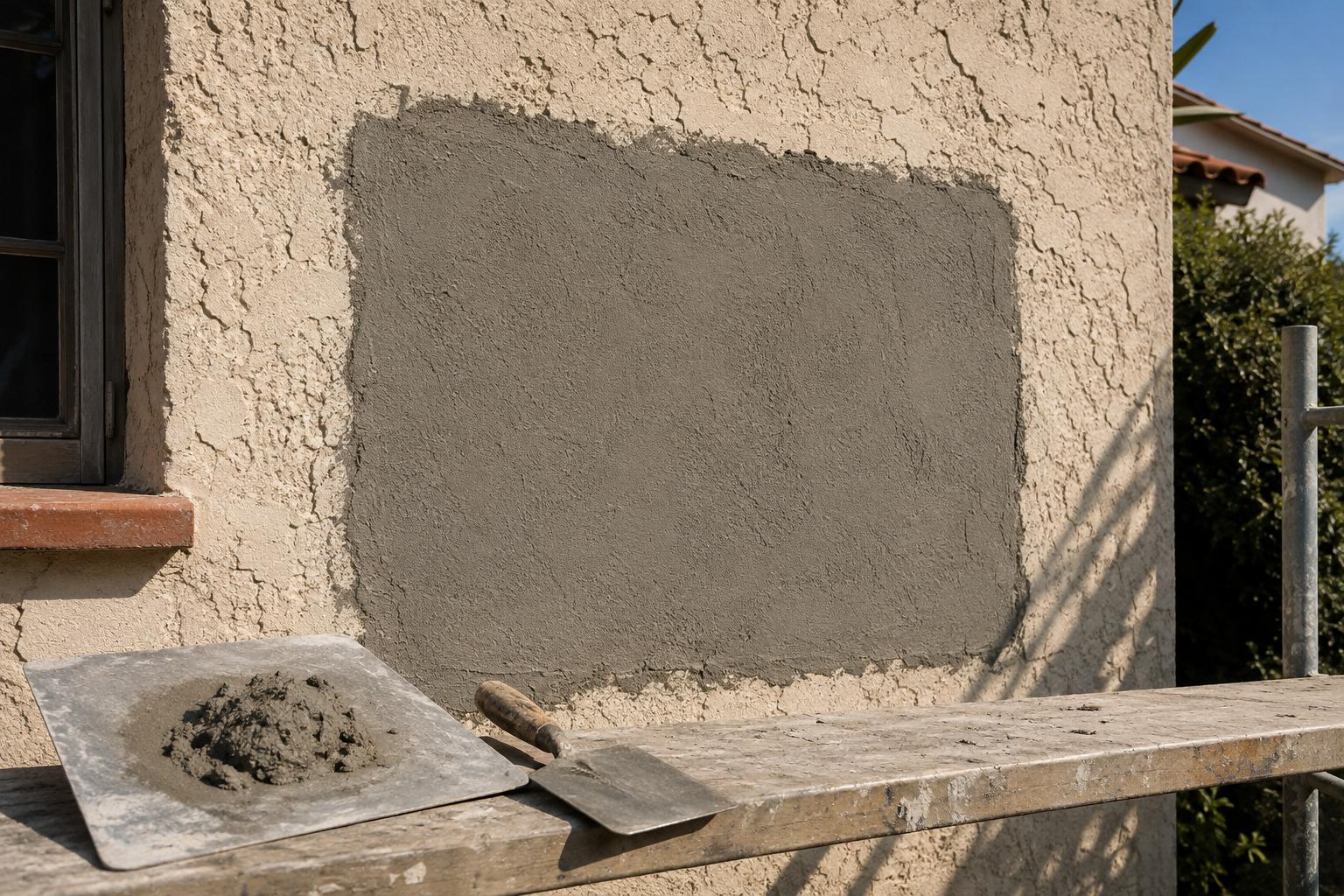
Stucco patching that matches the original texture and color, from hairline crack repair to full section replacement after plumbing, window, or dry rot work.
Where We Provide Stucco Removal & Remediation
We perform stucco removal and remediation on homes, apartment buildings, and commercial properties throughout Los Angeles County, including occupied multi family work.
Central Los Angeles
Westside & Beach Cities
San Fernando Valley
South Bay & Long Beach
Orange County
Stucco Removal and Remediation Questions
How do I know if my building needs remediation rather than repair?
How long does stucco removal and remediation take?
Do you have to remove all the stucco on the building?
What does stucco removal cost in Los Angeles?
Can we stay in the building during the work?
What is the difference between remediation and simply recladding?
Request a Free
Estimate
We are ready to bring your project to life. Reach out for a free estimate on your drywall, framing, or specialty project. Our team responds within 24 hours.