
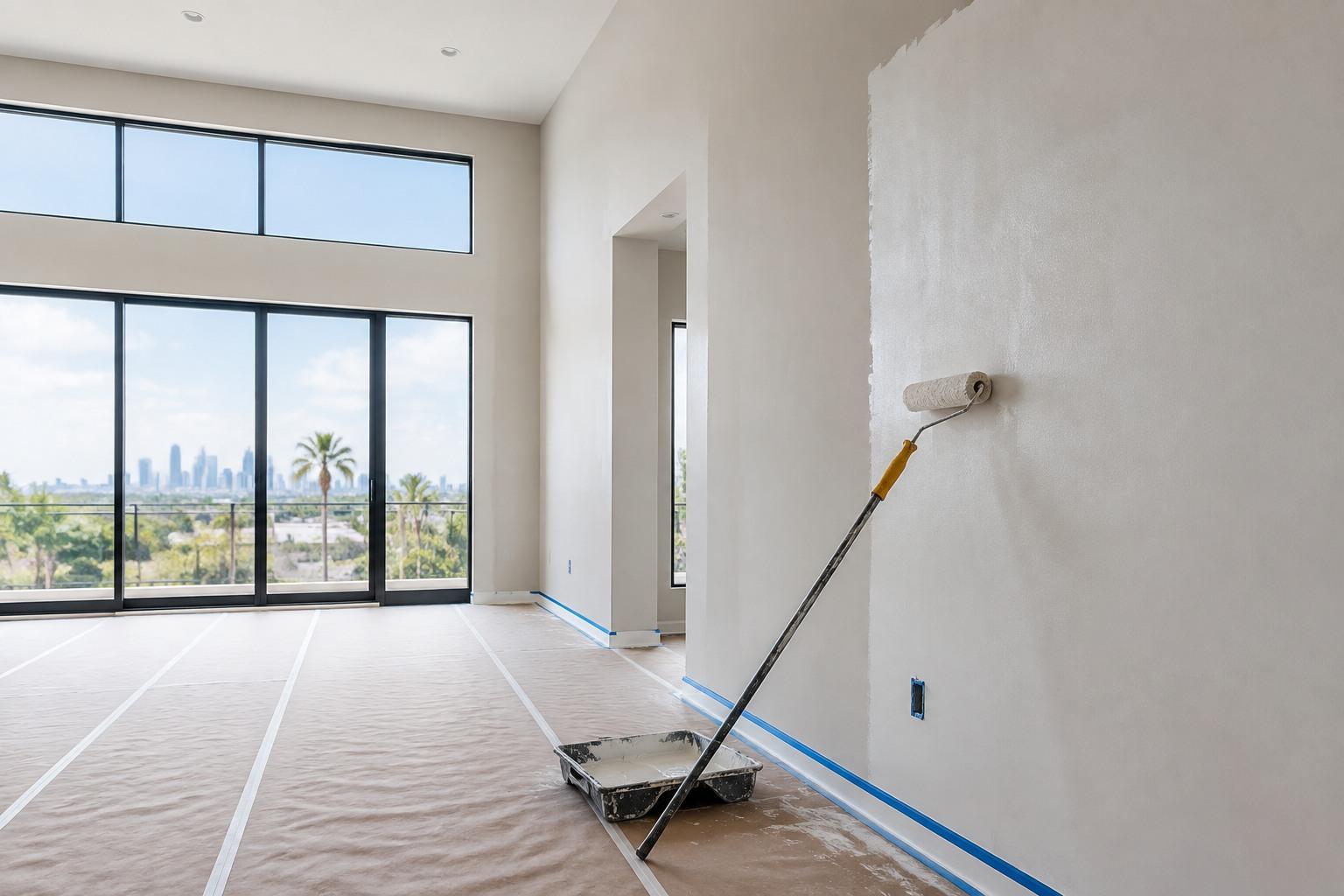
Interior Painting in Los Angeles, CA
Interior painting is a finishing trade, and the finish it produces can only be as flat as the surface beneath it. Paint is transparent to texture. It will magnify a proud tape joint, a sanded halo around an old patch, or a fastener dimple that was filled once instead of three times. Los Angeles Drywall & Framing approaches interior work from the drywall side of the wall, correcting the substrate to a defined finish level before a roller is loaded. That matters more here than in most cities, because low sun raking through a west facing window in Santa Monica finds every defect a lamp would have hidden.
Book an Interior Walkthrough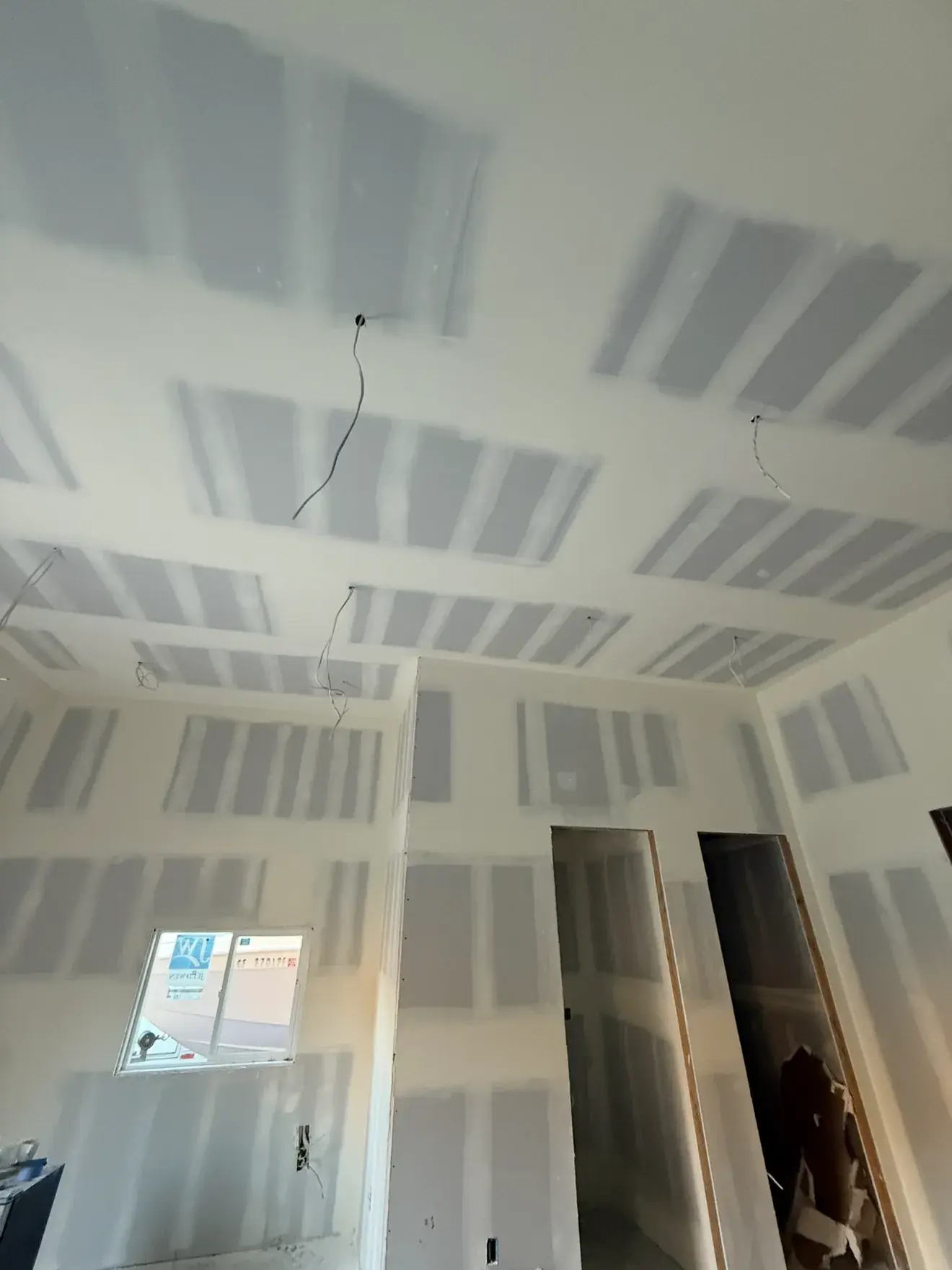
Skim Coat and Finish
Los Angeles, CA
Interior Painting Judged by How Flat the Wall Reads
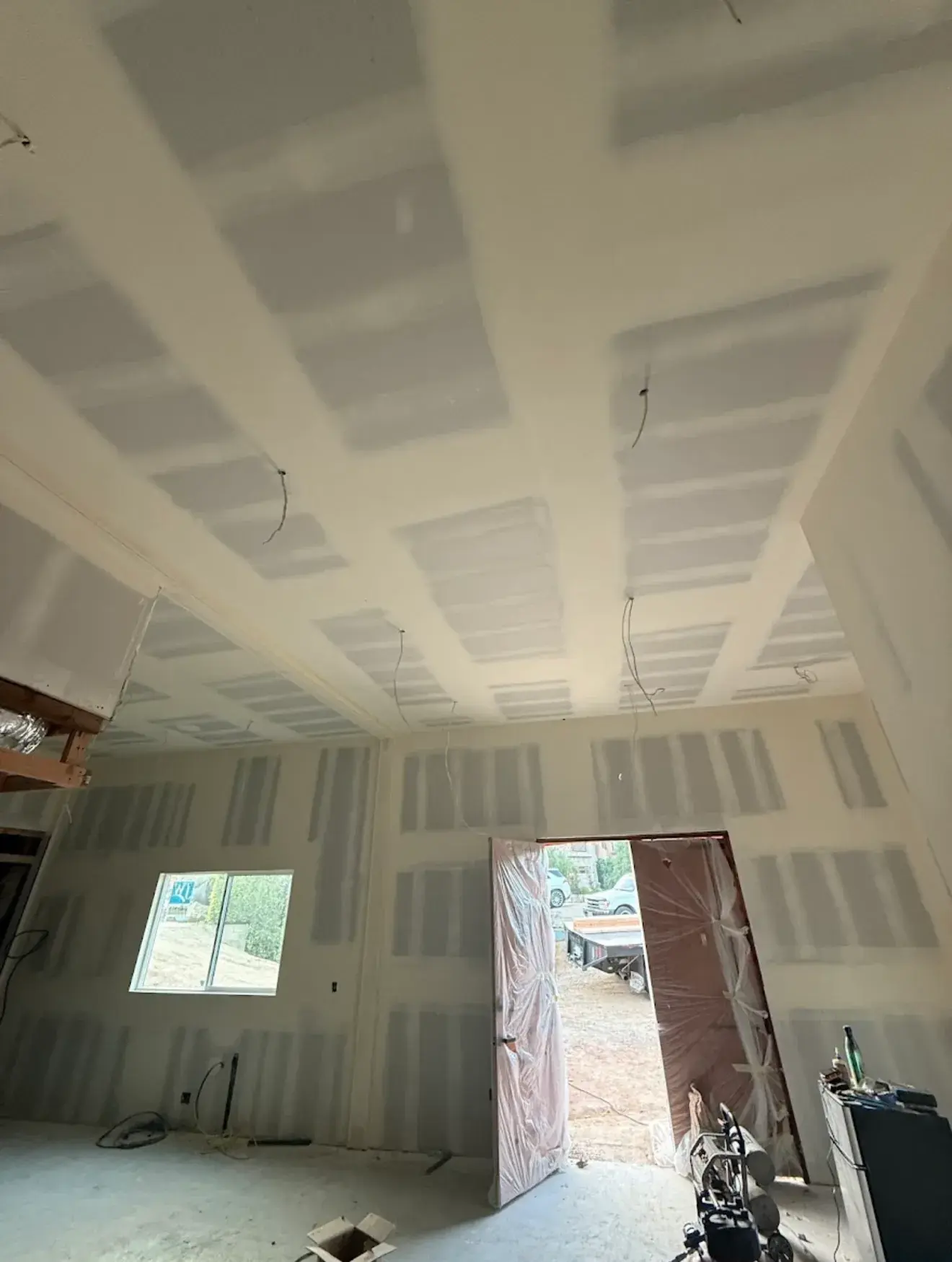
The Gypsum Association defines six levels of gypsum board finish in GA-214, and the choice between two of them decides how a painted wall looks. A Level 4 surface has joints and fastener heads coated and the tape embedded, with bare paper face left exposed between them. A Level 5 surface adds a continuous skim coat across the entire panel. The reason to care is porosity. Joint compound and paper face absorb primer at different rates, so on a Level 4 wall the compound bands can telegraph through as a visible difference in sheen even when the surface is perfectly plane. Level 5 removes that variable by making the whole wall one material.
California pushes coating chemistry harder than the rest of the country, and interior work is where occupants notice. CALGreen, which is Part 11 of Title 24, requires architectural coatings to comply with the state Air Resources Board suggested limits except where a stricter district rule governs, and in the Los Angeles basin a stricter one always does. Caulks, sealants, and adhesives used behind the finish fall under a separate district rule, 1168, rather than the coatings rule. The practical effect is that the deep saturated colors homeowners bring in from design magazines are constrained, because the tinting colorant itself is capped at 50 grams per liter for architectural products sold and used in this district.
Most of the interior repaints we are called into are not new construction. They are rooms where somebody already painted, and something went wrong. A patch reads as a shiny oval under the window. A ceiling shows roller lap lines running the length of the hallway. A repaired knockdown area sits noticeably coarser than the wall around it. Those are all substrate and preparation failures wearing a paint problem as a costume, and none of them are fixed by another coat of the same color. We diagnose which one you actually have during the walkthrough and price the correction rather than the cover up, because rolling fresh color over a flashing wall only produces a flashing wall in a different color.
What Drywall Grade Preparation Actually Involves
Skim Coating to Level 5
Skim coating means pulling a thin, continuous film of compound over the full face of the board, then sanding it back to a uniform plane. It is slow, it is dusty, and it is the only reliable way to eliminate differential porosity across a wall. We specify it on any surface receiving semi gloss or enamel, on deep or saturated colors, and on walls that sit in raking light. On a room that will be painted matte and lit by ceiling cans, Level 4 is honest and appropriate, and we will tell you so.
Texture Matching on Patches
Los Angeles housing stock is full of orange peel, knockdown, and hand applied skip trowel, and every applicator's hand is slightly different. Matching a repair means reading the existing pattern, mixing compound to the right viscosity, dialing in tip size and air pressure on a hopper gun, and knocking down at the right moment in the set. We shoot a sample board first and hold it against the wall in the room's own light. A patch that is textured close but not right is more visible after paint than before it.
Critical Lighting Walls
Critical lighting is the condition where light travels nearly parallel to a surface, so any deviation casts its own shadow. In practice that is the wall alongside a sliding glass door, the run beneath a skylight, a staircase wall lit from a landing window, and almost any long hallway with a light source at one end. Those planes get identified during the walk, treated to a higher finish level than the rest of the room, and where the design allows it they receive a matte or flat coating that scatters incoming light rather than reflecting it.
Finish Level Stated in Writing
Every interior proposal we issue names the GA-214 finish level being delivered on each surface, and where a Level 5 is specified it says so on the line item. That single sentence is the most common thing missing from a painting bid, and it is exactly where two quotes that look ten percent apart turn out to be describing entirely different amounts of work. Ask for it from anyone you are considering.
Dust Control That Holds
Sanding a skim coat generates fine gypsum dust that will find every register and every closet. We seal openings, run negative air where the room allows it, use pole sanders with vacuum attachment on large planes, and wet wipe surfaces before priming. A dirty prep leaves grit under the film, and grit under the film is permanent. Homeowners judge a painting crew on how the house looked the week after they left, and dust control is most of that impression.
Interior Coating Specifications We Work To
Film build, timing, and sheen are measurable quantities, not opinions. These are the figures behind a wall that still looks right two years later.
- Film Build Per Coat
- Typical interior latex wall products go on at about 4 mils wet, curing to roughly 1.6 mils dry. Two finish coats over primer is the standard build.
- Dry and Recoat Times
- At 77 degrees Fahrenheit and 50 percent relative humidity, common interior latex is dry to touch in about one hour and recoatable after four. Cool marine mornings on the Westside extend both figures.
- Sheen Measurement
- Gloss is measured under ASTM D523, normally at 60 degrees, with values below 10 units read at 85 degrees. Flat, matte, eggshell, satin, and semi gloss are bands on that scale, not brand adjectives.
- Sheen Selection
- Higher gloss returns more specular light and reveals more deviation. In rooms with strong side light we push sheen down on walls and keep gloss on trim and doors, where the substrate is milled rather than jointed.
- Primer Choice
- New board takes a drywall primer sealer that equalizes absorption. Stain blocking primer goes over water rings, marker, tannin, and nicotine before any finish coat reaches them.
- Patch Blending
- Repairs are feathered well past the damage, spot primed, then the whole plane is coated wall to wall. Painting a patch to its edges and stopping is the most common cause of a visible repair.
How We Run an Interior Painting Job
The sequence below is weighted toward what happens before the finish coat, because that is where the outcome is actually decided.
Read the Existing Surfaces
We walk each room with a work light held near the wall plane to raise defects that overhead lighting flattens out. That pass identifies old patches, tape ridging, fastener pops, texture mismatches, prior sheen, and any coating that is failing adhesion. The output is a finish level assigned per surface rather than one number for the whole house, since a hallway and a guest closet do not warrant the same treatment.
Protect and Isolate
Furniture is centered and wrapped, floors are covered with breathable protection rather than plastic that traps grit, and door openings are sealed with zippered containment where sanding will occur. Hardware, switch plates, and register covers come off and go into labeled bags per room. Masking is done to a line we can actually cut to later, not sprayed over and hoped for.
Repair, Skim, and Sand
Damage is cut back to sound board, backed, taped, and built up in coats with drying time between them. Where a Level 5 is specified, the skim goes on the full plane and is sanded flat under raking light. Texture is reproduced on repaired areas from an approved sample board. The room is then vacuumed and wiped before anything is primed.
Prime and Verify
Primer goes on wall to wall, not just over the repairs, so absorption is uniform across the plane. Once it is dry we light the surfaces again, because primer is the first coating that shows the wall honestly. Anything the light finds gets another pass of compound and a spot prime. This inspection is the last practical chance to fix substrate before color locks it in.
Apply Finish Coats
Ceilings, then walls, then trim and doors, each at the specified film build with the manufacturer's recoat window respected. Cut lines are brushed against a straight edge rather than relying on tape alone. After the final coat we walk the room with you under both daylight and the room's own fixtures, complete any touch ups on the spot, and reinstall all hardware and plates.
Services That Pair With Interior Painting
Interior finish quality starts in the drywall trades. These services feed directly into the surfaces we paint.

Drywall Finishing
Professional taping, mudding, and sanding to achieve smooth, paint-ready surfaces. Multiple finish levels available from standard to high-end Level 5 finishes.
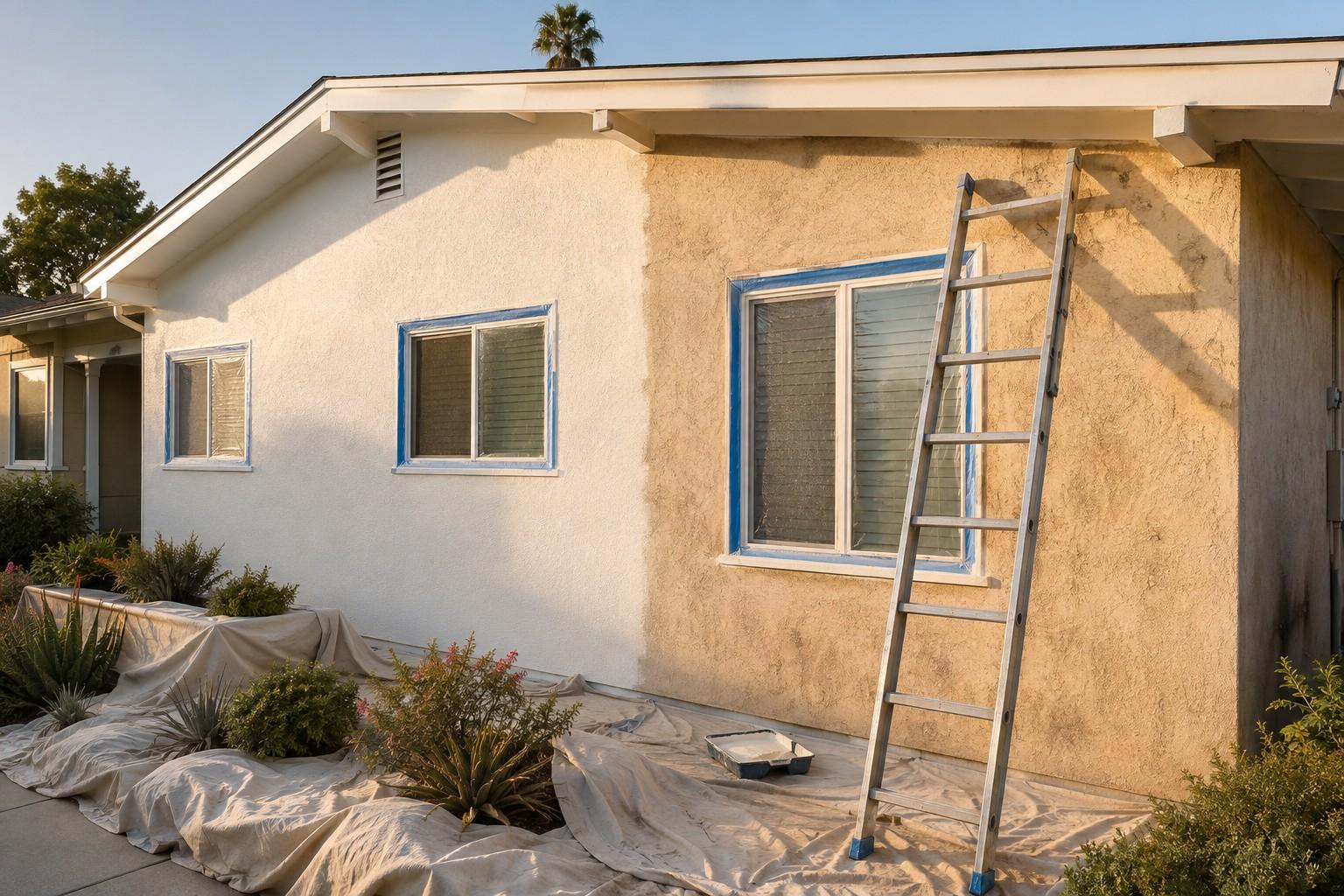
House Painting
Complete house painting for Los Angeles homes, inside and out. Thorough prep, correct primers for stucco and wood, and finishes chosen for LA sun and coastal exposure.

Drywall Texturing
Custom wall and ceiling textures including knockdown, orange peel, skip trowel, and smooth finishes. Transform any room with professional texture application.
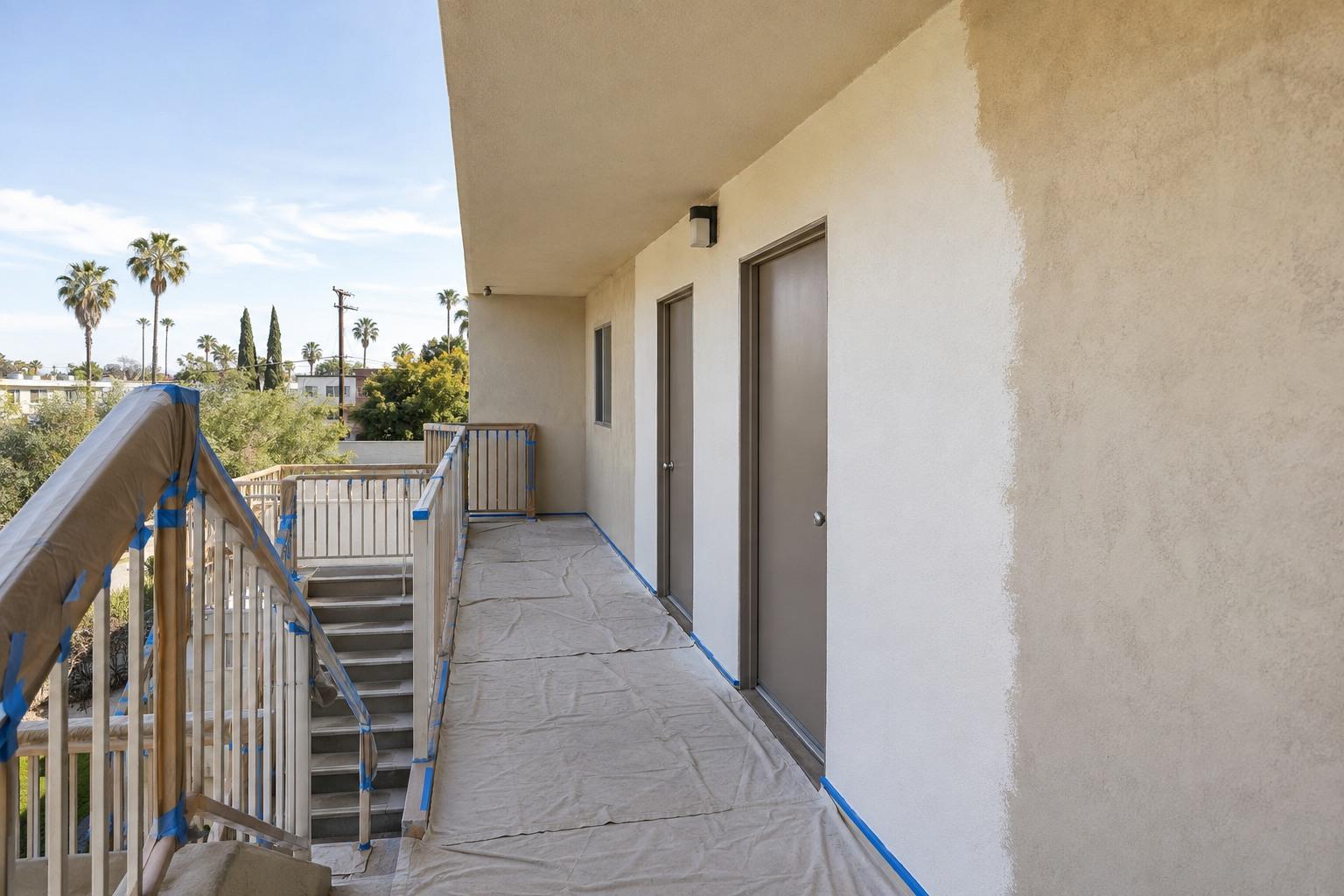
Multi-Family Painting
Apartment, condo, and HOA painting programs covering unit turns, corridors, and full exterior repaints, phased so residents keep access throughout.
Where We Provide Interior Painting
We take interior painting work throughout Los Angeles, including Downtown lofts, Westside remodels, and hillside homes with the raking light that makes surface quality unforgiving.
Central Los Angeles
Westside & Beach Cities
San Fernando Valley
South Bay & Long Beach
Orange County
Interior Painting Questions About Surface and Finish
What is the difference between a Level 4 and a Level 5 drywall finish?
Why do my walls look patchy or blotchy after painting?
Can you match my existing knockdown or orange peel texture?
How many coats of paint do interior walls need?
What sheen should I use in a Los Angeles living room?
How soon can I move furniture back and hang things on the wall?
Request a Free
Estimate
We are ready to bring your project to life. Reach out for a free estimate on your drywall, framing, or specialty project. Our team responds within 24 hours.